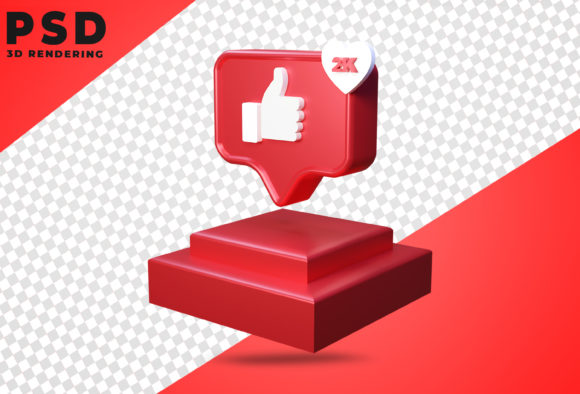
3D Logo Like Rendering for Realistic Brand Presentations
Imagine seeing your flat logo design transformed into a stunning, three-dimensional object with realistic depth, shadows, and lighting, all set within a beautiful interior scene. That's the powerful visual impact of a quality 3D Logo Like Rendering mockup. It's a design asset that bridges the gap between a digital concept and a tangible, professional presentation, allowing clients and audiences to visualize your work in a real-world context.
This type of rendering is invaluable for designers, artists, and creators who want to showcase their work with maximum impact. Instead of presenting a logo on a blank, white background, you can display it as if it were a crafted sign, a printed canvas, or a branded object. This instantly communicates quality, thoughtfulness, and professionalism. It’s particularly effective for projects like brand identity kits, where showing the logo in use helps tell a complete story.
The practical applications are vast. Whether you're designing a logo for a client, creating merchandise for your online shop, or developing social media graphics, a realistic rendering adds a layer of polish. Consider using it for:
- Client Presentations: Help stakeholders visualize the final product, making approvals easier.
- Portfolio Pieces: Elevate your case studies with visuals that look like finished projects.
- E-commerce Listings: Display artwork, prints, or branded products in a styled setting to boost perceived value.
- Website Hero Images: Create compelling headers that immediately engage visitors.
- Social Media Content: Generate eye-catching posts that stand out in a crowded feed.
When selecting a rendering file, look for ease of use and flexibility. A well-designed mockup, like the one described here, often comes as a layered Photoshop PSD file. The key feature to look for is a smart-object layer. This allows you to simply double-click the layer, paste your own artwork, save, and watch it automatically adapt to the frame's perspective and lighting. It should work with any image size and ratio, saving you significant time and technical hassle.
Choosing the right visual style is also crucial. The mockup's interior—whether it's a modern minimalist space, a cozy studio, or an industrial backdrop—should align with the mood of your brand or project. A premium font rendering in a sleek office conveys a different message than one in a rustic workshop. Always test how your specific typography and color palette interact with the mockup's lighting and environment to ensure a cohesive final look.
Ultimately, tools like this are about enhancing your design assets. They allow you to present your creative work—from logo design and editorial layouts to packaging and web graphics—with the context it deserves. A great font or a brilliant logo deserves more than a static display. By integrating a realistic 3D rendering, you elevate your presentation, build stronger brand recognition, and deliver designs that feel complete and professionally crafted. It’s a simple step that can significantly increase the perceived value and impact of your creative projects.